Innovative Engineered Heating Solutions Designed to Keep You Moving in the Harshest Conditions

Premium heating solutions that enhance performance for automotive, light and medium trucks, off-road vehicles, and industrial applications in the harshest cold weather conditions.
We are committed to meeting our customers' needs by continuously developing innovative products that protect your engine, enhance efficiency and maximize service life.
About the KAT'S Heater's Brand
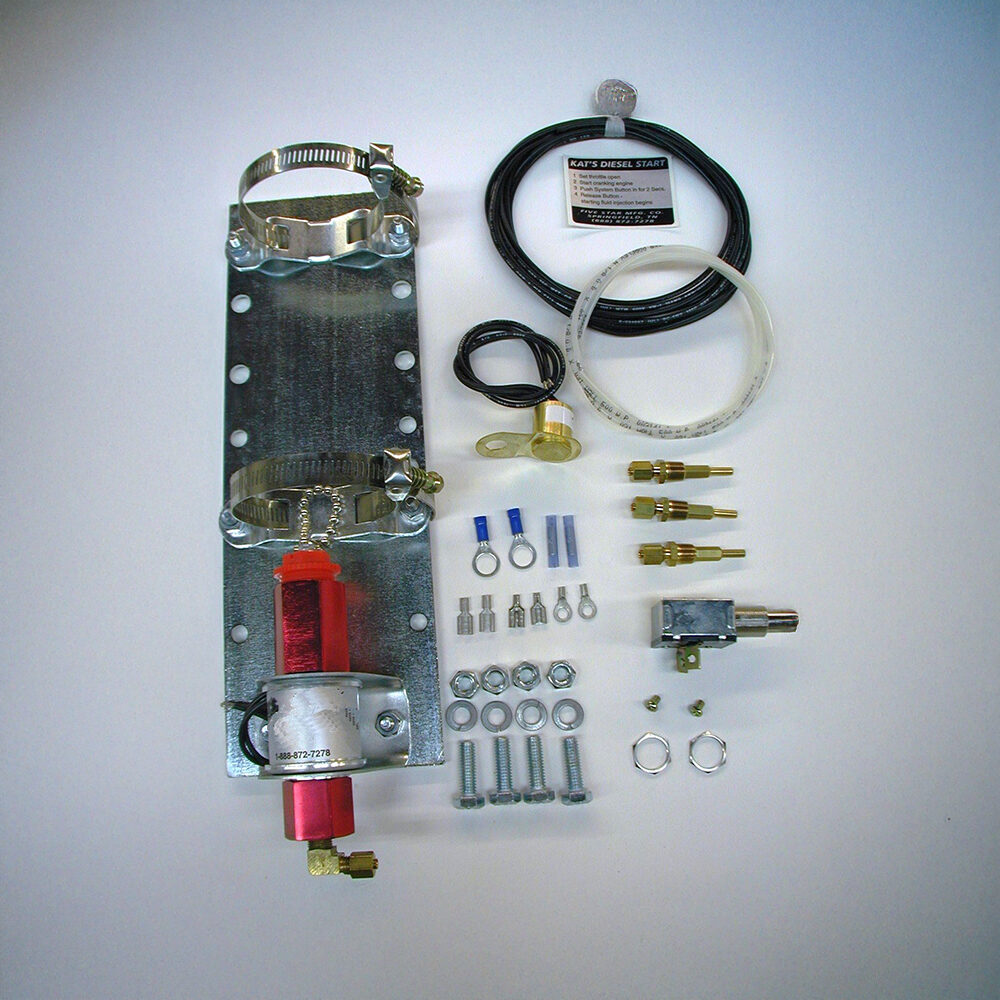
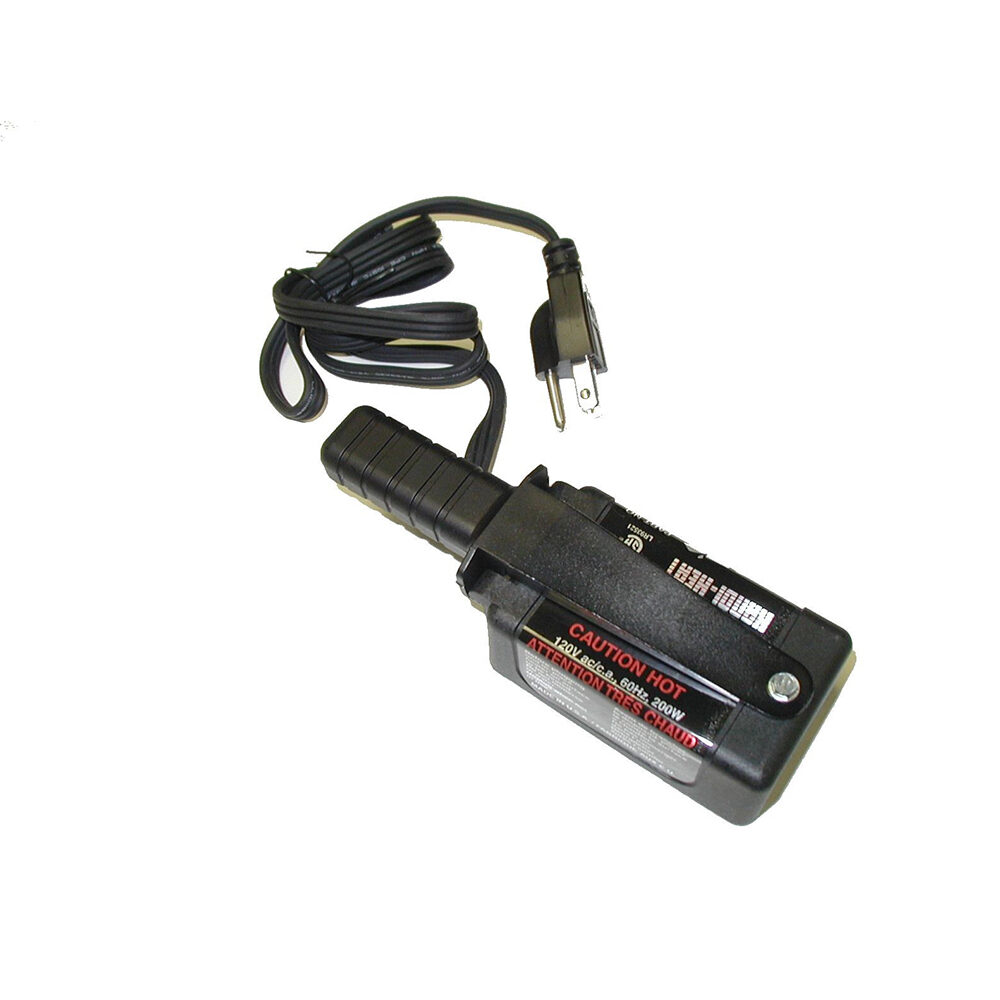
Founded in 1948, KAT’S specialized in cold weather starting aids for vehicles. Beginning with engine block heaters, the KAT’S product line has expanded to include battery heaters, circulation heaters, diesel starting fluid systems, vehicle interior heaters, lower radiators hose heaters, magnetic heaters, silicone pad heaters and other innovative vehicle heating solutions.
In 2022, Nickson Industries acquired the assets of KAT’S Heaters. Today, KAT’S offers the most comprehensive heater solutions in the Industry, all engineered and manufactured in the USA.

KAT'S Heaters FAQ
General
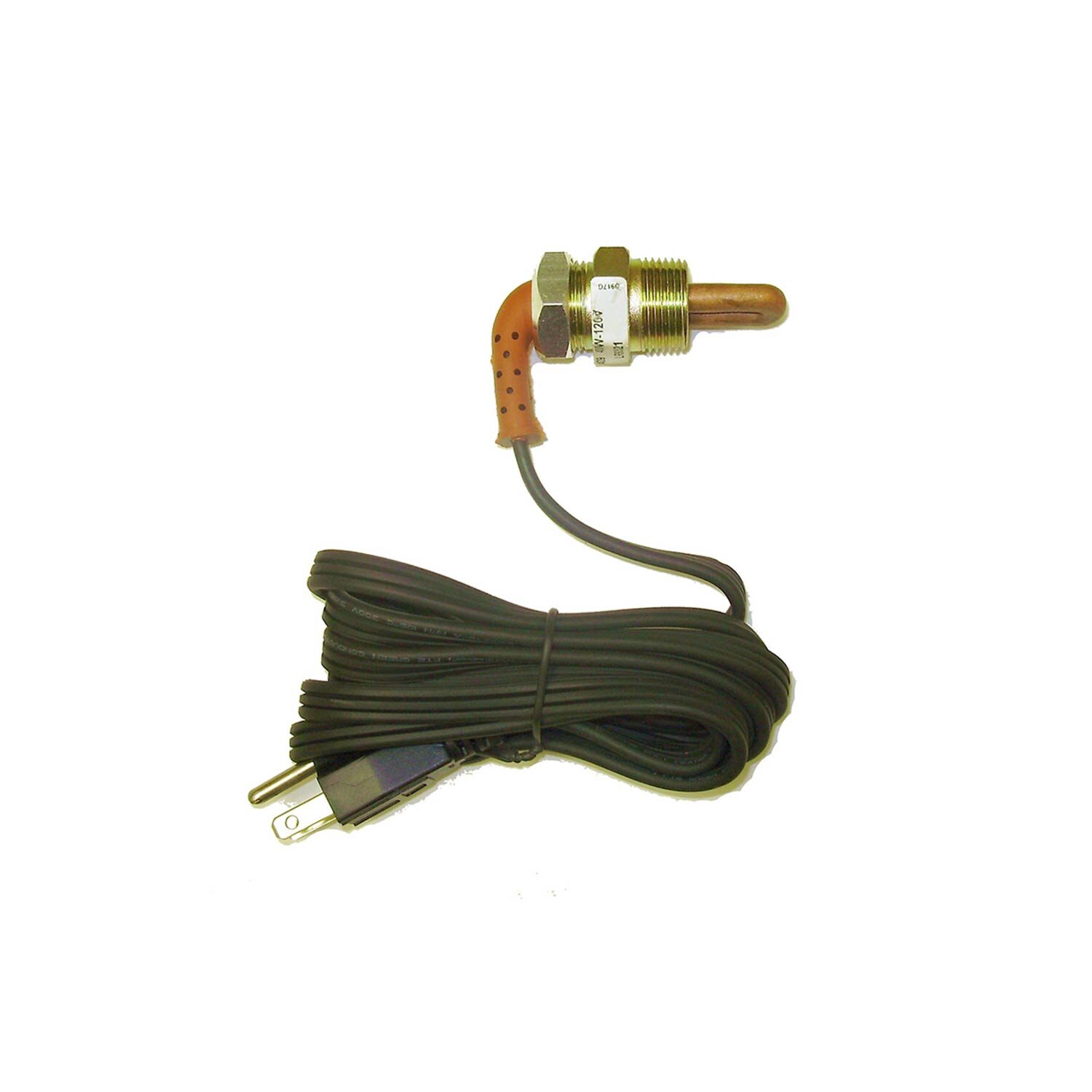
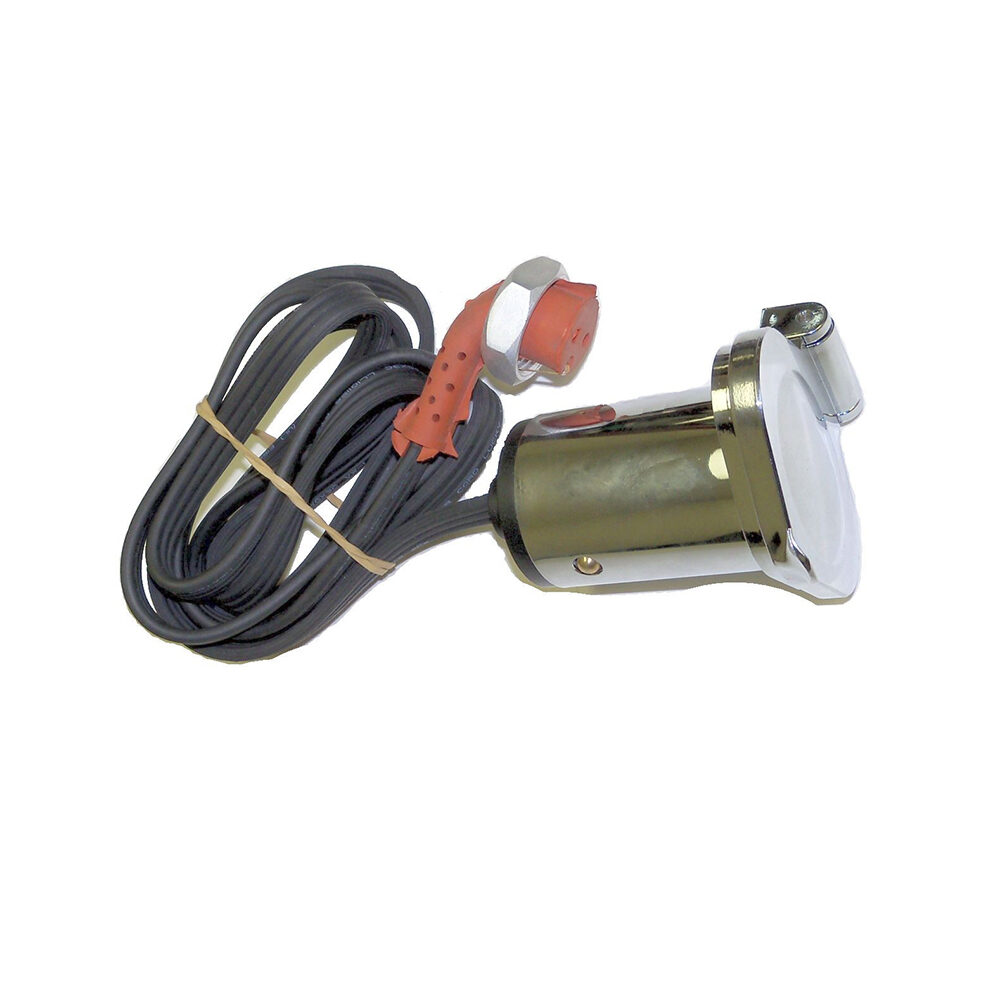
An engine heater warms the engine coolant, oil, or block before starting the engine. By doing so, it helps ensure that the engine starts more easily in cold weather, reduces engine wear, and improves fuel efficiency. Engine heaters typically work by using electrical power to heat a heating element (such as a pad, block heater, or immersion heater) that is either installed in the engine block or plugged into the vehicle’s cooling system. This heat is transferred to the coolant or oil, preventing them from becoming too thick in cold temperatures.
Yes, you can use both a block heater and a silicone pad heater simultaneously.
Battery Heaters / Blankets
- Battery Heater: Designed to fit within the battery’s tray housing, this heater warms the battery from underneath and maintains a temperature of 80°F.
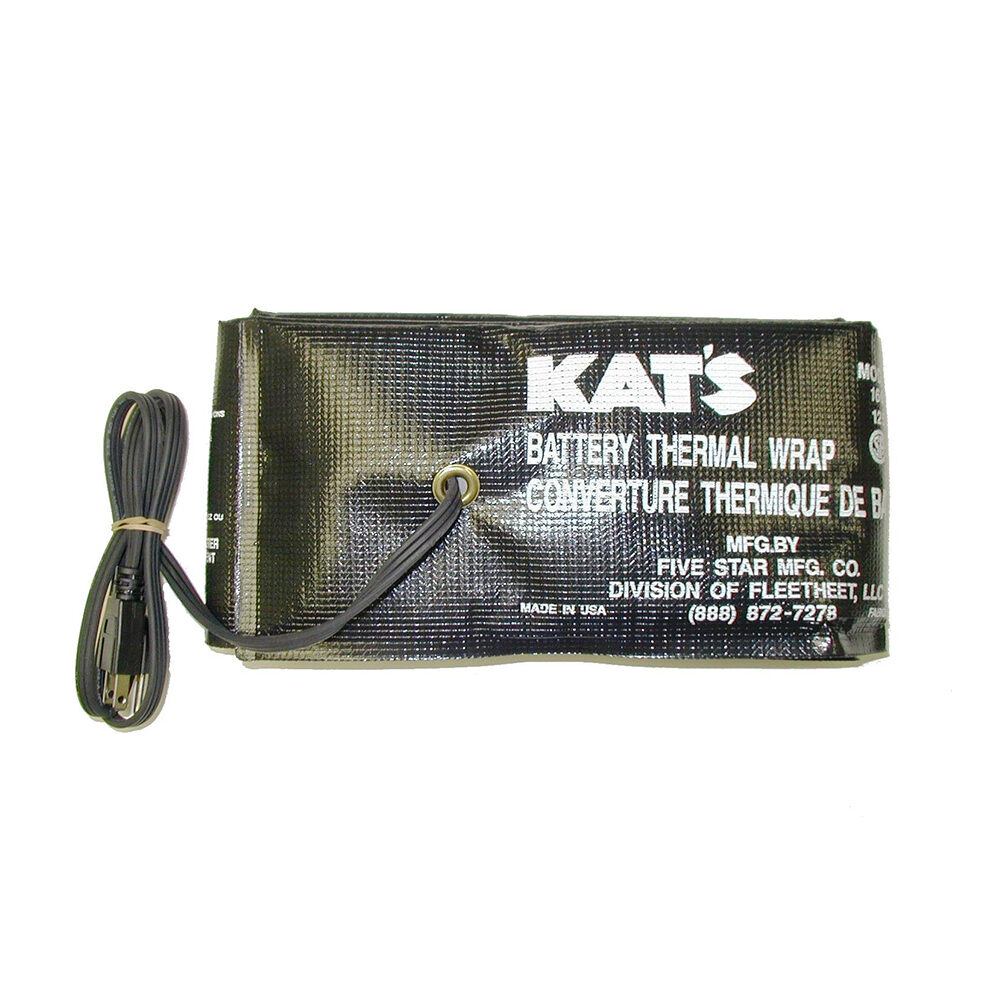
- Battery Blanket: This wraps around the battery, providing warmth in the range of 60°F to 70°F.
Block Heaters
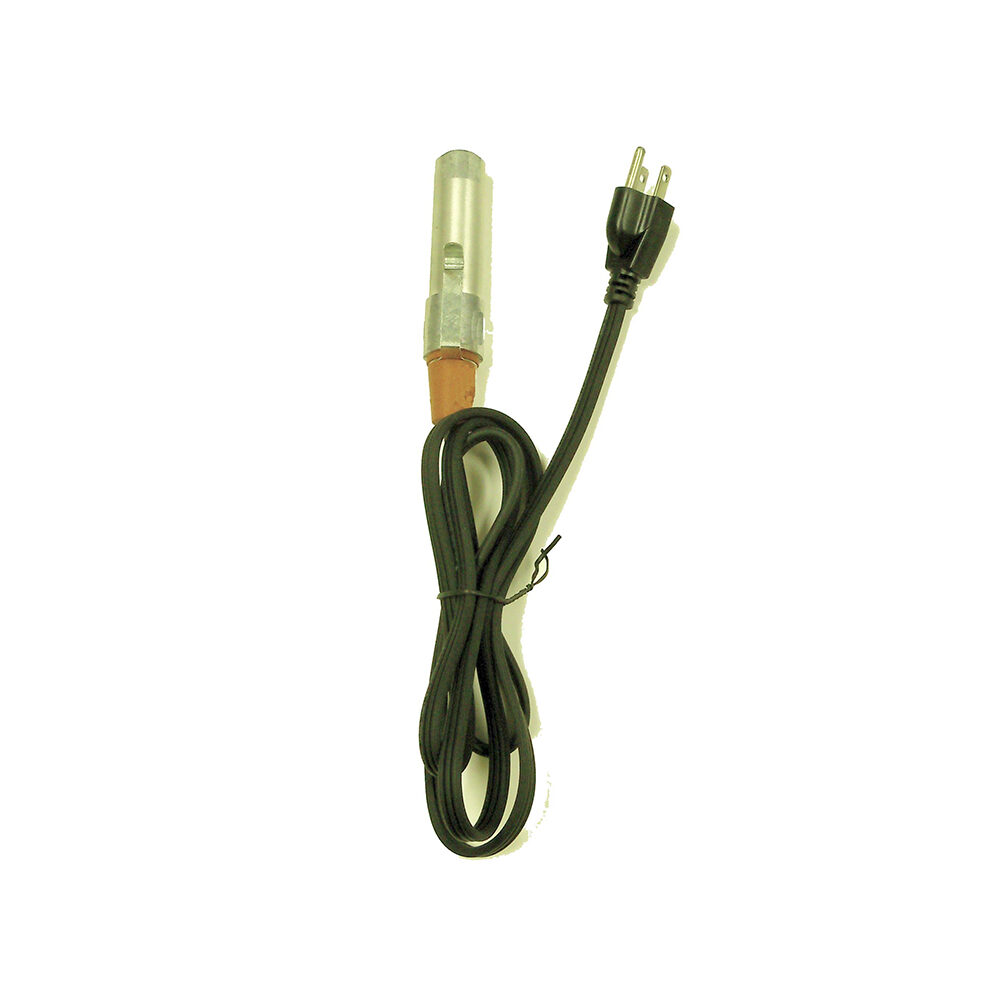
An engine heater works by using electrical power to heat a heating element, which is typically located in contact with the engine block or within the engine’s cooling system.
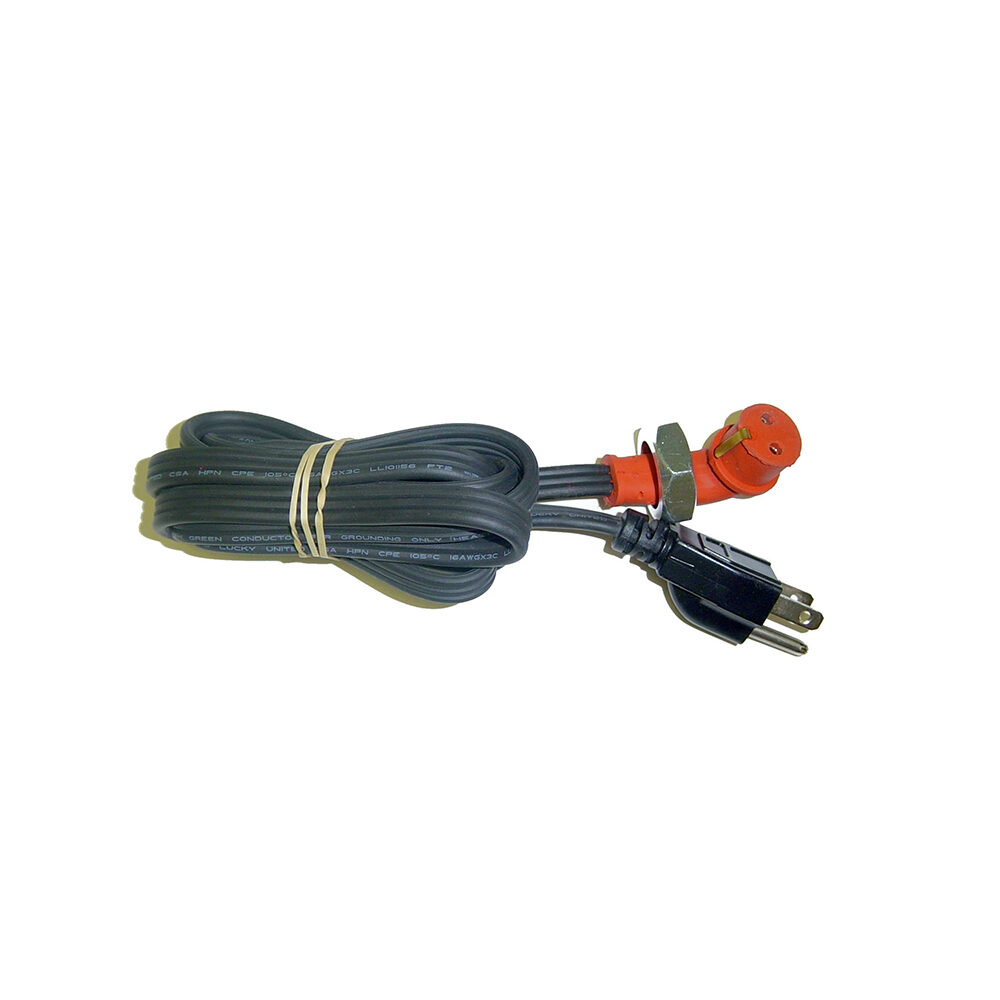
- Block Heater: When plugged in, it heats the engine block directly, transferring heat to the coolant circulating within the system. This process helps to prevent the coolant from freezing and ensures that it remains at a temperature suitable for smooth engine operation.
- Immersion Heater: This type of heater is installed directly into the coolant, where it heats the fluid from the inside, raising the temperature of the coolant before starting the engine.
By warming the coolant, the heater ensures that the engine starts more easily, reduces wear on engine parts, and improves fuel efficiency, especially in colder climates.
To determine the correct block heater, we’ll need to know the make and model of your engine. In some cases, the year may also be required. For more information, please use our online parts lookup.
The engine manufacturer recommends installing the heater on the left side for optimal performance. However, if you can ensure the heater can be installed securely, at the same or lower elevation, and that the element does not contact the engine wall, it can be installed on the right side.
There is no difference. Both terms refer to a heater used to warm the engine coolant within the engine block.
The most likely cause is insufficient coolant covering the heater. A common issue is starting the vehicle while the heater is still plugged in, which can create an air pocket around the element. This prevents proper heat transfer, leading to the element burning out.
The GFI may trip if it gets exposed to moisture from rain, puddles, pressure washing, or snow. It will continue to trip until it dries out.
To resolve this:
- Disconnect the heater from the power source.
- Clean and dry the heater plug and cord as thoroughly as possible.
- Reconnect the cord to the heater.
- Test it again to see if the GFI trips.
Additionally, the GFI may trip if there’s too much of a load on the circuit, causing an overload.
You can use antifreeze, liquid soap, or silicone grease. However, do not use petroleum-based lubricants on the O-ring.
- For optimal pre-warming, the block heater should be plugged in for at least 3-4 hours (longer for larger trucks and equipment).
- There is no harm in leaving the block heater plugged in overnight or for more than 12 hours.
- This is likely due to the heating element burning out.
- When the heater is powered on, the element must always be submerged in coolant to dissipate heat properly.
- Powering the element without it being submerged can cause it to burn out within 1-10 seconds.
Unfortunately, you may need to purchase a new heater.
Circulation Heaters
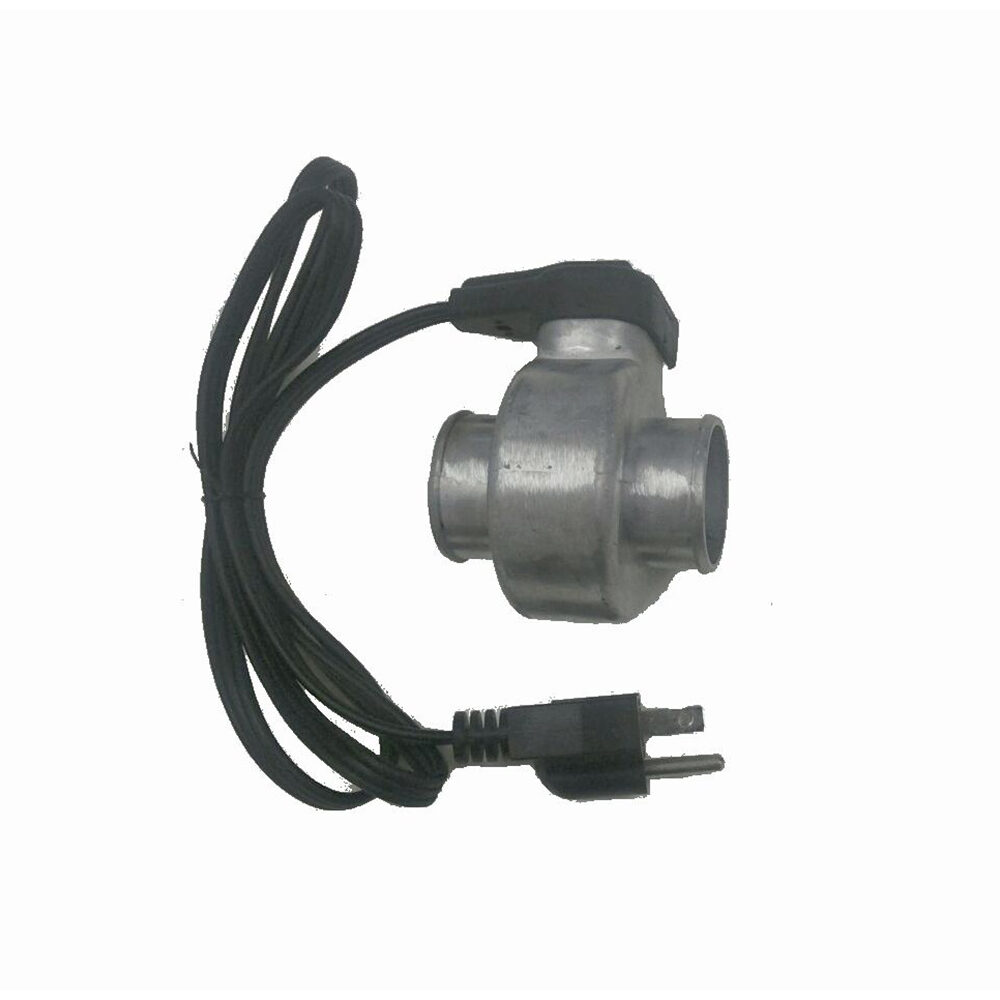
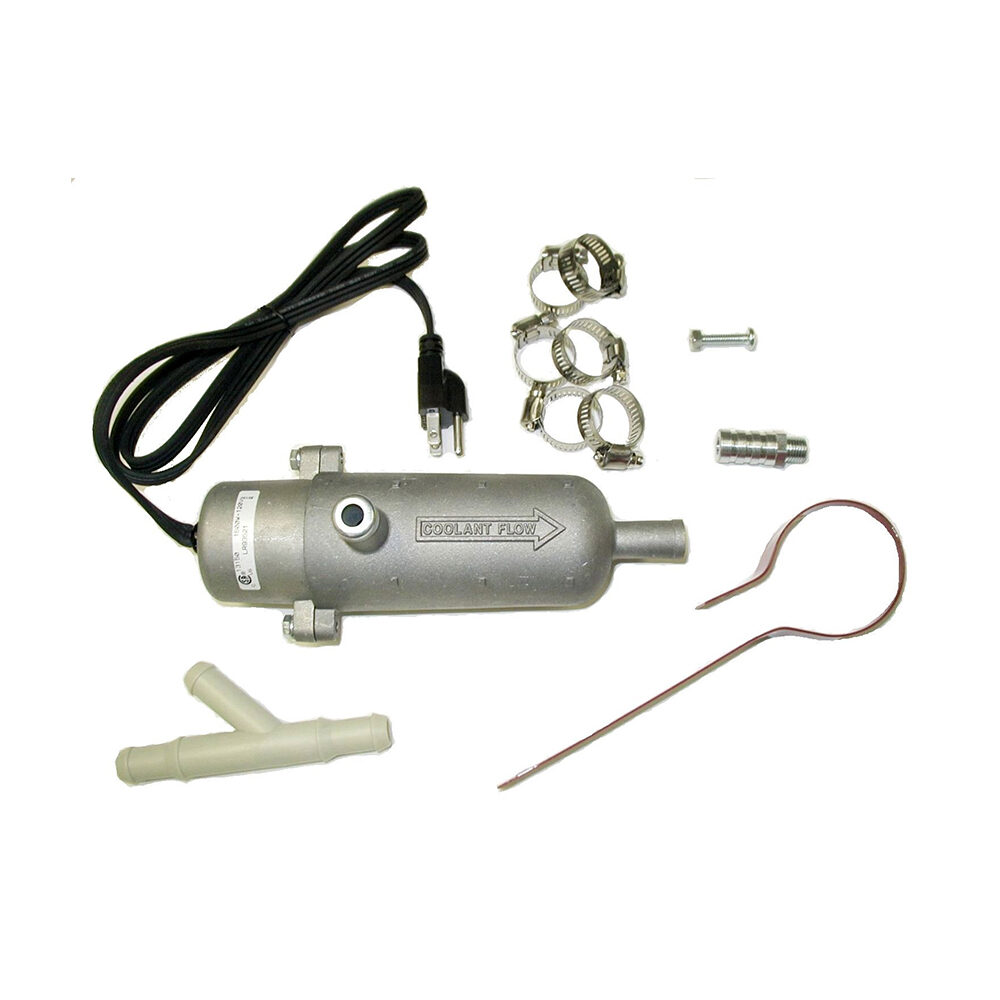
The right circulation heater depends on mounting options and specific features. The main differences between the models are:
- Size: KAT’S Heaters offer a variety of sizes, ranging from large industrial applications and engines to small utility vehicles and generator setups.
- Climate: By adding a thermostat, the circulation heater can help control the maximum coolant temperature and limit power consumption.
- Usability: These heaters are designed for easy installation and operation.
No, the circulation heater is not compatible with vehicles from 1995 or newer. However, KAT’S Heaters offers alternative options, including Freeze Plug Heaters, Engine Block Heaters, Pad Heaters, and Magnetic Heaters.
First, check that the hose is properly attached to the outlet on the circulation heater. If it's not securely connected or is completely unattached, the heater won’t be able to heat the engine. Simply reattach the outlet fitting. If the hose is loose, tighten the metal fitting around the hose and outlet.
The installation location for your circulation heater can vary depending on your vehicle’s make, model, engine layout, hoses, and compartment design. However, there are a few key rules to ensure proper installation and optimal performance:
- The heater must be mounted at the lowest point of the cooling system to ensure adequate pressure and thermosyphon flow.
- The heater outlet hose should be connected at the highest accessible point in the engine block, on the pressure side of the cooling system pump.
- The outlet hose should be kept as short as possible but must have a minimum rise of 12 inches to ensure proper circulation.
- Avoid routing the outlet hose in ways that cause sharp bends, loops, or travel over the engine block, as this can restrict coolant flow and prevent proper circulation.
Silicone Pad Heaters / Battery Pad Heater
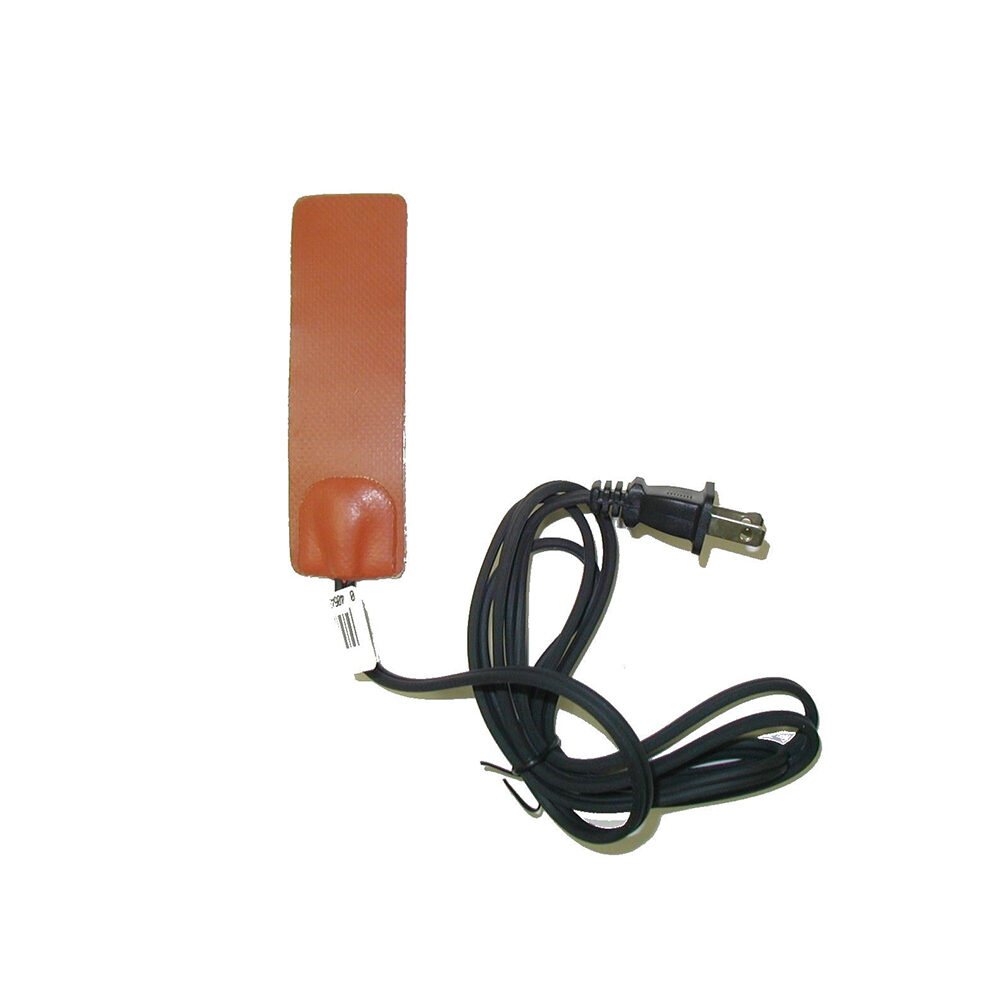
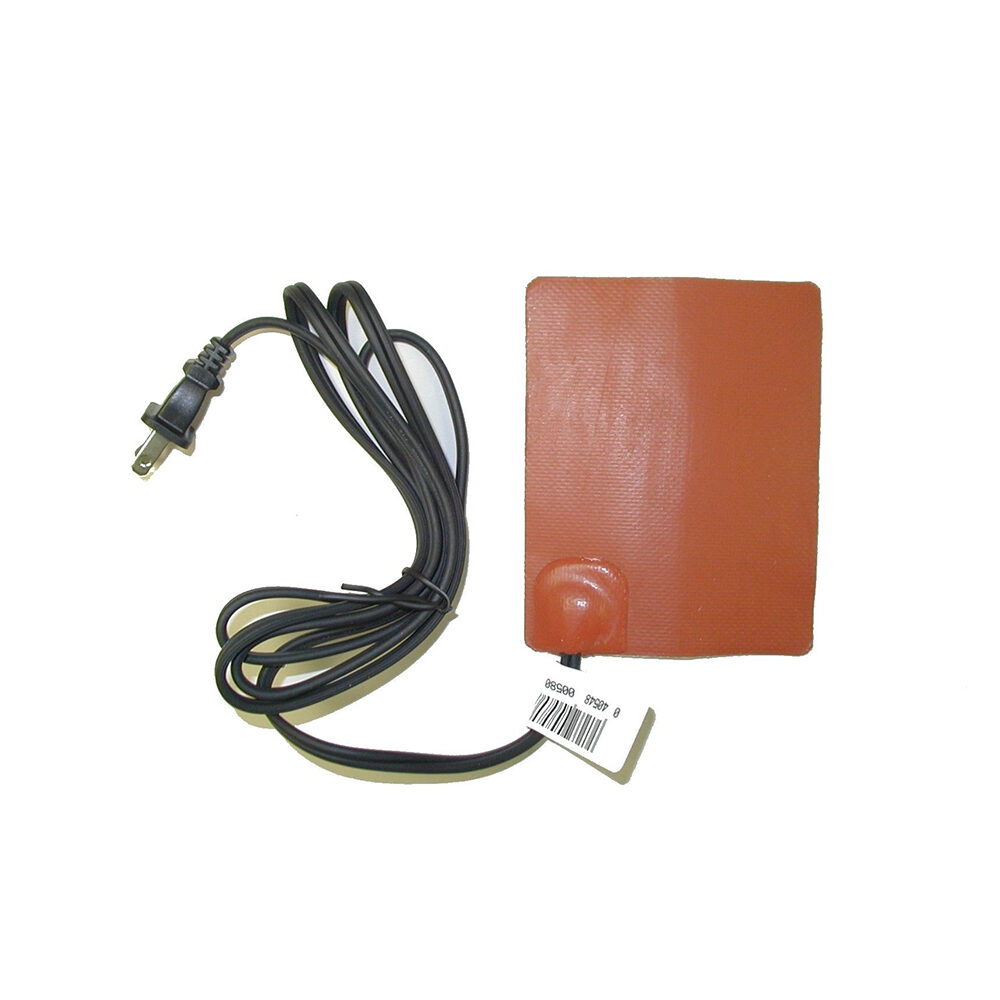
Yes, the adhesive silicone pad heaters will stick to all smooth metal surfaces, including aluminum. However, the surface should be cleaned of any grease or oil to ensure strong adhesion. It's also important that the surface is warmed during installation.
Note: Pad heaters should not be used on plastic or composite materials.
Yes, you can keep your silicone pad heater plugged in for extended periods, as long as you follow the proper installation instructions.
In most cases, silicone pad heater issues are due to improper installation or placement. The heater should have 100% contact with a smooth metal surface. Any air gaps, rough spots, or uneven areas can create hot spots, potentially causing the pad to fail.
Silicone pad heaters do not have a fixed temperature. The heat they generate depends on various factors, including the weather, ambient temperature, fluid capacity, wattage, and proper installation.
No, silicone pad heaters should not be used on plastic or composite materials. They are designed for use only on smooth, clean metal surfaces.
- Ensure the power cord is securely plugged into a working outlet.
- Verify that the outlet is functioning properly.
- Check if the circuit breaker has tripped.
- Inspect the cord for any potential short or damage.